The SS Sultana Disaster: America’s Deadliest Maritime Tragedy That History Forgot
On the night of April 27, 1865, the steamboat SS Sultana erupted in flames on the Mississippi River near Memphis, Tennessee, claiming over 1,800 lives in what remains the deadliest maritime disaster in American history. More Americans died that night than would perish decades later when the Titanic sank in the North Atlantic. Yet while the Titanic became synonymous with tragedy, the Sultana disaster vanished into historical obscurity—buried beneath the enormous news of Lincoln’s assassination just days earlier.
The timing couldn’t have been worse for remembrance. John Wilkes Booth had been shot and killed just three days prior on April 26, and newspapers across the nation remained consumed with coverage of Lincoln’s funeral procession and the manhunt’s dramatic conclusion. In this cacophony of earth-shattering events, the deaths of nearly 2,000 people—most of them Union soldiers finally heading home after surviving the hell of Confederate prison camps—barely registered in the national consciousness.
The Perfect Storm of Greed and Negligence
The SS Sultana was a 260-foot sidewheel steamboat designed to carry 376 passengers. On that fateful April evening, Captain J.C. Mason had crammed aboard an estimated 2,427 souls—six times the vessel’s legal capacity. The catastrophic overcrowding wasn’t an accident; it was the direct result of a corrupt scheme that prioritized profit over human life.
Captain Frederic Speed, the Union Army quartermaster in Vicksburg, had struck a deal with Captain Mason to transport recently released prisoners of war up the Mississippi River. The government rate was $5 per enlisted man and $10 per officer—lucrative compensation that created powerful incentives to pack as many passengers as possible onto each voyage.
Many of these passengers were survivors of Andersonville and other Confederate prison camps, men who had endured months or years of starvation, disease, and brutality. Sergeant William Fies and Captain George Williams were among these skeletal figures, weighing perhaps 90 pounds each after their ordeal. They had survived the worst conditions imaginable, only to die within sight of home.
Known Dangers, Ignored Warnings
What makes the Sultana disaster particularly tragic is that multiple warning signs were dismissed in the rush to maximize profits. The steamboat’s boilers had been showing signs of wear and had required emergency repairs in Vicksburg just before the fatal voyage. A proper repair would have taken three days—time that Captain Mason couldn’t afford to lose given the lucrative passenger load waiting to board.
Instead, a makeshift patch job was performed that temporarily sealed the problem without addressing the underlying structural weakness. The boat’s chief engineer reportedly expressed concerns about the boiler’s condition, but these warnings were overruled by commercial pressures.
The overcrowding itself created additional hazards beyond the obvious safety concerns. The Sultana was so heavily loaded that her decks rode dangerously close to the waterline. Passengers were packed into every available space, with many forced to sleep standing up or sitting in shifts. The additional weight and the concentration of people on the upper decks made the vessel top-heavy and unstable.
The Night of April 27, 1865
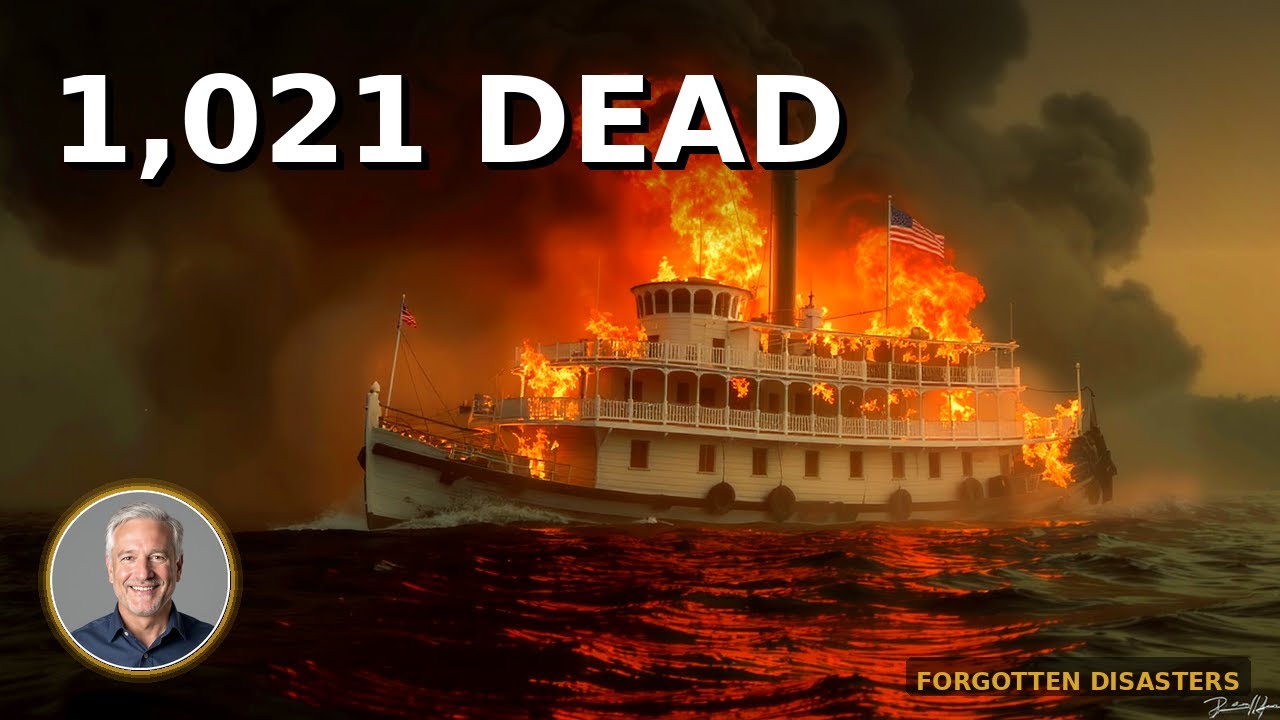
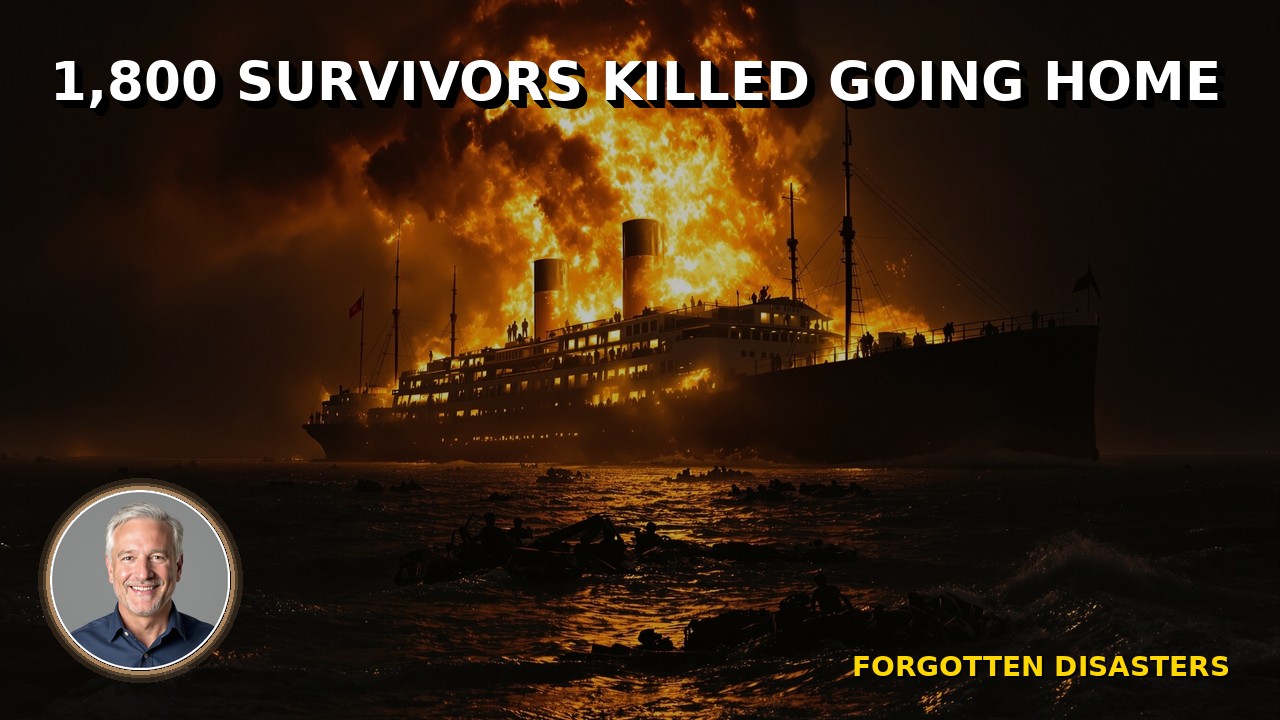
At approximately 2:00 AM on April 27, as the Sultana churned northward through the dark waters near Paddy’s Hen and Chickens Islands, her patched boiler finally gave way. The explosion was heard for miles along the river valley—a thunderous blast that instantly killed hundreds and sent a tower of flame and steam shooting into the night sky.
The steamboat’s wooden superstructure, dried by the heat of the boilers and loaded with combustible materials, became an inferno within minutes. Passengers who survived the initial explosion faced an impossible choice: remain aboard a burning vessel or plunge into the cold, swift-moving Mississippi River.
Many of the former prisoners of war lacked the strength to swim in the best of circumstances, let alone in near-freezing water while fighting for space among hundreds of other desperate souls. Others who might have survived the swim were trapped below decks or killed instantly when the boilers exploded.
A Tragedy Lost to History
The timing of the disaster ensured it would be overshadowed by other events. Booth’s death on April 26 had provided the dramatic climax to the Lincoln assassination story, and newspapers were still processing the implications of the president’s murder and the end of the Civil War. The Sultana explosion, occurring in the pre-dawn hours on a remote stretch of river, initially reached news desks as sketchy, incomplete reports.
By the time the full scope of the tragedy became clear, the news cycle had moved on. No federal investigation was ever completed. No national day of mourning was declared. The victims—many of them anonymous former prisoners whose names had been poorly recorded—were buried in unmarked graves or swept away by the river.
Captain J.C. Mason perished in the explosion, eliminating the most obvious target for accountability. Captain Frederic Speed faced a military court of inquiry but received only a reprimand. The steamboat company quietly disbanded, and the insurance companies settled claims with minimal publicity.
The Broader Pattern of Gilded Age Corporate Negligence
The Sultana disaster exemplified patterns of corporate corruption and regulatory negligence that would define much of late 19th-century American industry. The same disregard for safety in pursuit of profit that killed nearly 2,000 people on the Mississippi would later manifest in mine disasters, factory fires, and railroad accidents throughout the Gilded Age.
The incident also highlighted the particular vulnerability of working-class and military personnel to corporate malfeasance. The Union soldiers aboard the Sultana were expendable in the calculations of the men who packed them aboard an unsafe vessel. Their deaths didn’t threaten powerful interests or generate sustained media attention.
Lessons for Modern America
The Sultana tragedy offers sobering parallels to contemporary disasters where known safety risks are ignored due to economic pressures. The decision to patch rather than properly repair the steamboat’s boilers echoes modern incidents where companies choose cheaper, temporary fixes over comprehensive safety improvements.
The disaster also demonstrates how quickly even massive tragedies can disappear from public memory when they’re overshadowed by other events or when they don’t serve particular political or commercial interests. The deaths of 1,800 Americans should have prompted fundamental reforms in steamboat safety and military transportation, but the moment for such changes passed quickly.
Perhaps most relevantly, the Sultana incident reveals how vulnerable people—whether Civil War veterans, immigrants, or workers—often bear the greatest risks when safety is compromised for profit. The former prisoners of war who died that night had already sacrificed enormously for their country, only to become victims of a system that valued their lives less than the cost of proper boiler repairs.
The SS Sultana disaster stands as one of American history’s great forgotten tragedies, a reminder that the most important stories aren’t always the ones that receive the most attention. In an era when we’re constantly bombarded with breaking news and competing narratives, the fate of the Sultana offers a powerful lesson about which stories survive and which disappear—and why that matters for understanding both our past and our present.