The Times Beach Disaster: How One Man’s Waste Disposal Business Created America’s Largest Environmental Evacuation
In the winter of 1982, the federal government made an unprecedented decision: evacuate an entire American town. Times Beach, Missouri, a working-class community of 2,240 residents along the Meramec River, had become uninhabitable due to dioxin contamination levels that exceeded safe limits by more than 300 times. The culprit wasn’t a industrial accident or natural disaster—it was a waste hauler named Russell Bliss who had unknowingly spread one of the most toxic substances known to science across roads, parking lots, and horse arenas throughout eastern Missouri for over a decade.
The Times Beach disaster represents one of the most significant environmental catastrophes in American history, a case study in corporate negligence, regulatory failure, and the devastating consequences of cutting corners in hazardous waste disposal. What began as a seemingly routine dust control operation in 1971 would ultimately cost taxpayers over $200 million in cleanup efforts and force the permanent abandonment of an entire community.
The Waste Hauler’s Deadly Cargo
Russell Bliss seemed like an unlikely figure to trigger a national environmental crisis. Operating out of St. Louis County, Missouri, his small waste hauling business specialized in what appeared to be mundane industrial cleanup work. In 1971, the Northeastern Pharmaceutical and Chemical Company (NEPACCO) hired Bliss to dispose of waste from their Verona, Missouri plant, where they manufactured Agent Orange components for the U.S. military’s use in Vietnam.
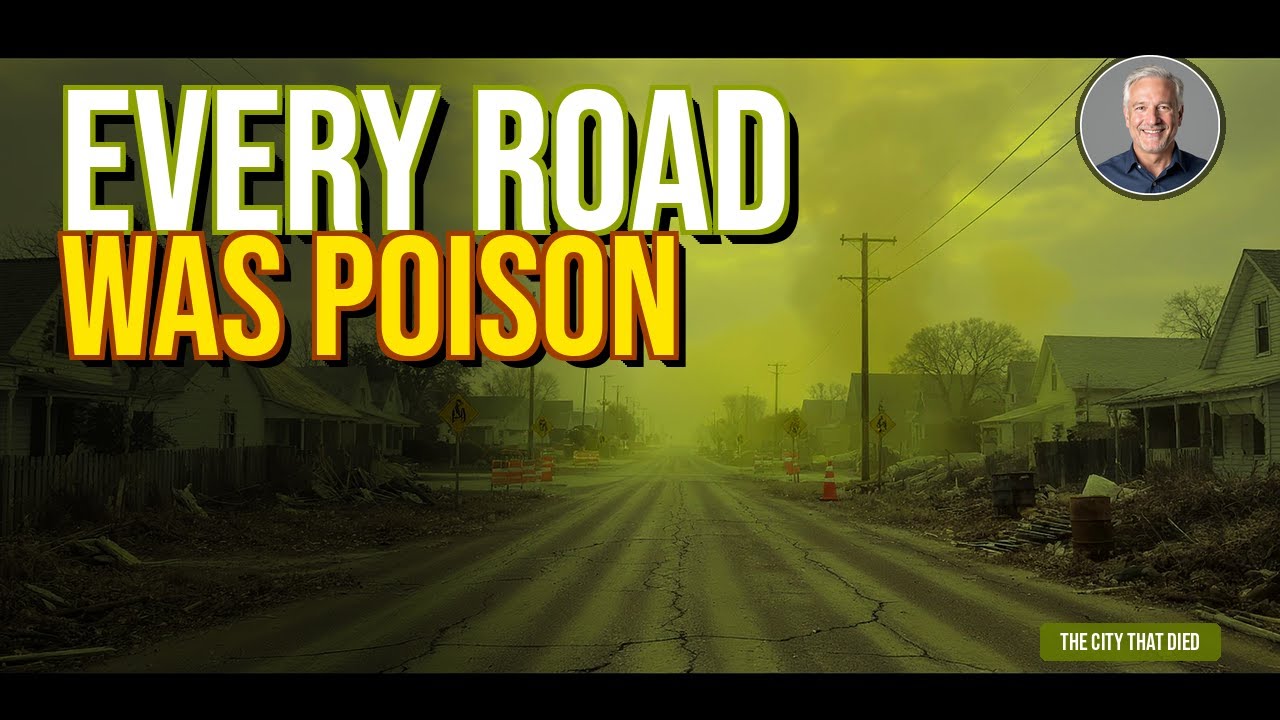
The arrangement was deceptively simple: NEPACCO would pay Bliss three cents per gallon to haul away their chemical waste—a bargain rate that should have raised red flags about proper disposal methods. Instead of following expensive hazardous waste protocols, Bliss developed what he considered an ingenious solution. He mixed the chemical waste with used motor oil and sold the resulting mixture as a dust suppressant for unpaved roads, parking lots, and horse arenas across eastern Missouri.
What Bliss didn’t know—and what NEPACCO failed to adequately communicate—was that their waste contained 2,3,7,8-tetrachlorodibenzo-p-dioxin, commonly known as TCDD or simply dioxin. This compound, a byproduct of the Agent Orange manufacturing process, is considered one of the most toxic substances ever created, with the Environmental Protection Agency later classifying it as a known human carcinogen.
Early Warning Signs: The Horse Arena Deaths
The first indication that something was catastrophically wrong came not from government monitoring, but from a tragic pattern of animal deaths. In May 1971, Bliss sprayed his oil mixture at the Shenandoah Stable in Moscow Mills, Missouri, to control dust in their horse arena. Within days, horses began falling ill with mysterious symptoms: severe skin lesions, internal bleeding, and neurological problems.
By the end of the summer, 62 horses had died at Shenandoah Stable. Arena owner Judy Piatt watched helplessly as her animals suffered and died, with veterinarians unable to explain the cause. Similar scenes played out at other facilities where Bliss had applied his mixture, including the Timberline Stables, where dozens more horses perished.
The pattern was unmistakable to those paying attention, but it would take years before authorities connected the dots between Bliss’s waste oil mixture and the animal deaths. During this delay, Bliss continued his spraying operations across Missouri, spreading dioxin contamination to hundreds of sites throughout the region.
Government Failure and Corporate Cover-Up
The response from both government agencies and the responsible corporations exemplified the environmental regulatory failures of the 1970s. Despite mounting evidence of contamination, neither the EPA nor Missouri state environmental officials took decisive action to halt Bliss’s operations or investigate the source of the contamination.
Part of the problem lay with NEPACCO itself, which had filed for bankruptcy in 1972, just one year after hiring Bliss. The company’s former executives, including plant manager Verlyn Kluwe, would later face federal charges for illegally disposing of dioxin waste. However, the bankruptcy proceedings complicated efforts to hold the company accountable and delayed critical investigations into the contamination.
The EPA’s response was further hampered by the agency’s relative youth—it had been established only in 1970—and limited experience dealing with dioxin contamination. When EPA official Rita Lavelle finally began investigating Missouri contamination sites in the early 1980s, she faced resistance from both state officials and the Reagan administration, which was attempting to reduce environmental enforcement activities.
Marilyn Leistner and the Fight for Recognition
While government officials debated response strategies, Times Beach resident Marilyn Leistner emerged as an unlikely environmental activist. Leistner had moved to Times Beach in the 1960s, drawn by the community’s affordable housing and small-town atmosphere. When reports of dioxin contamination began surfacing in 1982, she refused to accept official assurances that the levels were safe.
Leistner organized community meetings, contacted media outlets, and pressured government officials for more comprehensive testing and honest disclosure about health risks. Her activism proved crucial in forcing authorities to take the contamination seriously and ultimately led to the federal buyout that allowed Times Beach residents to relocate safely.
The grassroots organizing efforts led by Leistner and other community members highlighted a recurring theme in environmental disasters: often, affected communities must fight not only against the original contamination but also against official indifference or denial of the problem’s severity.
The Great Evacuation and Superfund Response
The decisive moment came in December 1982, when the EPA announced that Times Beach was uninhabitable due to dioxin contamination. The announcement came at the worst possible time—during the Christmas season and amid devastating flooding that had already displaced many residents. EPA officials, led by administrator Anne Gorsuch, offered the entire community a federal buyout worth $36 million.
The Times Beach evacuation became the largest environmental relocation in U.S. history at that time, and it played a crucial role in shaping federal Superfund legislation. The Comprehensive Environmental Response, Compensation, and Liability Act (CERCLA), enacted in 1980, had created the legal framework for addressing hazardous waste sites, but Times Beach became one of its first major tests.
The cleanup process that followed was both extensive and controversial. The EPA ultimately identified more than 100 contaminated sites across Missouri connected to Bliss’s waste oil operations. The federal government spent over $200 million on cleanup efforts, including the construction of a specialized incinerator to destroy dioxin-contaminated soil and debris.
Scientific Legacy and Health Impacts
The Times Beach disaster advanced scientific understanding of dioxin toxicity and environmental persistence. Studies conducted in the aftermath revealed that dioxin could remain dangerous in soil for decades, with contamination levels that seemed to defy natural degradation processes.
Health studies of Times Beach residents and cleanup workers provided crucial data about dioxin exposure effects, though the results remained somewhat controversial. While some studies suggested increased cancer rates among exposed populations, others found less definitive health impacts than initially feared. These mixed findings reflected the broader challenges of studying environmental health effects, where multiple factors can influence outcomes and long-term impacts may take decades to manifest.
The disaster also highlighted the inadequacy of existing waste disposal regulations and monitoring systems. The fact that Bliss could operate for over a decade without proper oversight of his waste sources or disposal methods revealed significant gaps in environmental protection that subsequent legislation attempted to address.
Modern Relevance and Ongoing Challenges
The Times Beach disaster remains relevant today as communities across America continue to grapple with industrial contamination and environmental justice issues. The case established important precedents for federal intervention in environmental disasters and community relocation, but it also demonstrated the enormous costs—both financial and human—of inadequate prevention and early response.
Recent environmental disasters, from the Camp Lejeune water contamination to the ongoing PFAS crisis, echo many of the same themes visible in Times Beach: corporate cost-cutting at the expense of safety, regulatory gaps that allow dangerous practices to continue, and the disproportionate impact on working-class communities with limited political power.
The site of Times Beach itself has undergone a remarkable transformation. After extensive remediation, the area was converted into Route 66 State Park in 1999, a testament to the possibility of environmental recovery but also a permanent reminder of the town that once stood there. The park’s visitor center includes exhibits about the community’s history and the environmental disaster that erased it from the map.
The legacy of Russell Bliss, Marilyn Leistner, and the other key figures in this environmental drama continues to inform debates about waste disposal, environmental justice, and the balance between industrial progress and public health. Their story serves as both a cautionary tale and a reminder that environmental disasters often result not from single catastrophic events, but from the accumulation of countless small decisions that prioritize short-term convenience over long-term safety.
As America continues to confront the environmental legacy of its industrial past, the lessons of Times Beach remain as relevant today as they were four decades ago when a small Missouri town became ground zero for one of the nation’s worst environmental disasters.