The Accidental Invention That Revolutionized Cardiac Medicine: How a Wrong Resistor Saved Millions of Lives
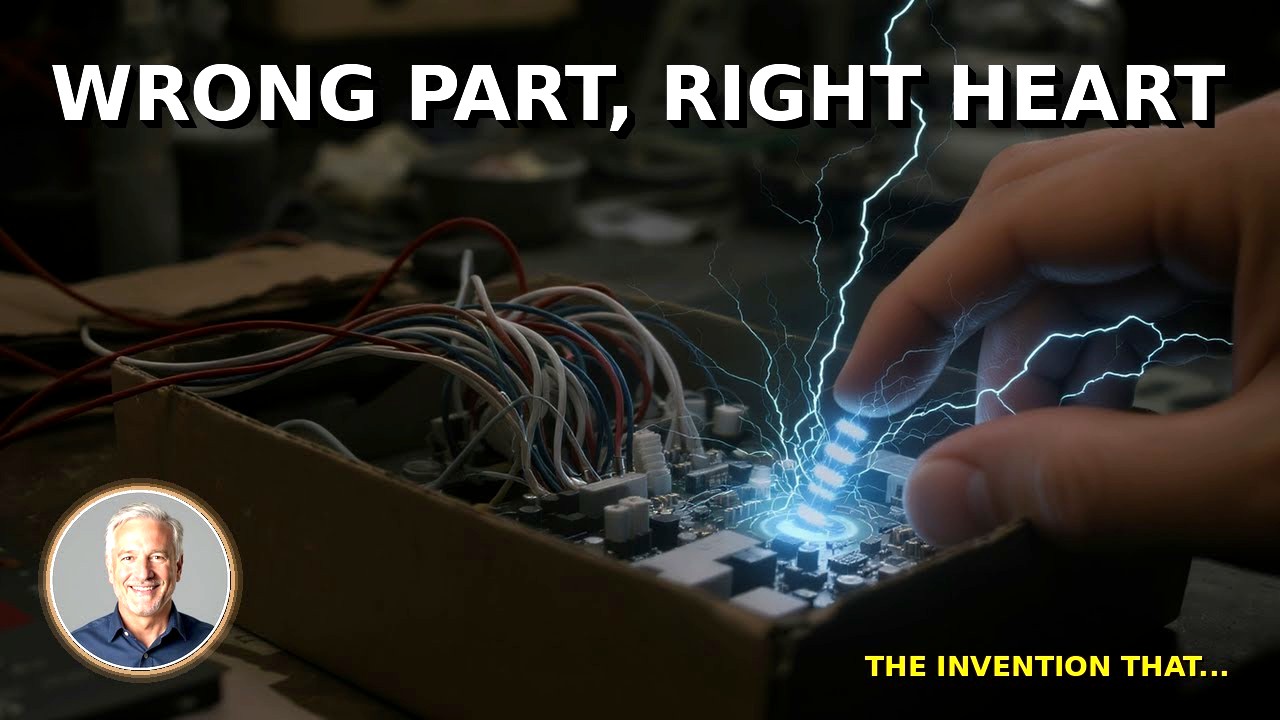
On a routine day in 1958, electrical engineer Wilson Greatbatch reached into his toolbox and grabbed what he thought was a 10,000-ohm resistor. Instead, he pulled out a 1-megohm resistor—a component 100 times more powerful than what his circuit design called for. When he plugged it into the heart rhythm recorder he was building, something extraordinary happened: the device began pulsing once per second, mimicking the rhythm of a human heartbeat.
That simple mistake would become one of the most consequential accidents in medical history. Within three weeks, Greatbatch had built the first implantable cardiac pacemaker prototype in his garage workshop in Buffalo, New York. Today, over three million people worldwide owe their lives to that serendipitous moment when an engineer grabbed the wrong part.
The Medical Crisis That Sparked Innovation
The late 1950s represented a turning point in cardiac medicine. Physicians understood that many heart conditions stemmed from electrical problems rather than mechanical ones, but their treatment options remained frustratingly limited. Complete heart block—a condition where the heart’s natural electrical system fails—was essentially a death sentence.
Dr. Paul Zoll had made significant strides with external pacemakers in Boston, but these devices required patients to remain tethered to wall-mounted units. The external electrodes caused painful burns, and the risk of infection made long-term use impractical. What the medical community desperately needed was a device that could be implanted inside the body, small enough to be portable yet reliable enough to function for years.
Wilson Greatbatch, working as a professor at the University of Buffalo, had been collaborating with cardiac surgeon Dr. William Chardack on this exact problem. Their goal was modest: create a device that could record heart rhythms for diagnostic purposes. Neither man anticipated that their research would lead to one of medicine’s most transformative inventions.
The Garage Workshop Breakthrough
Greatbatch’s home workshop in suburban Buffalo was a testament to mid-century American ingenuity. Surrounded by electronic components, vacuum tubes, and circuit boards, he spent countless hours after his university duties tinkering with designs. The space resembled something between a mad scientist’s laboratory and a television repair shop—exactly the kind of environment where breakthrough innovations often emerged.
The morning of his famous mistake, Greatbatch was working on amplifying the weak electrical signals produced by the heart. His recorder design required precise resistance values to function properly. When he accidentally installed the 1-megohm resistor instead of the specified 10,000-ohm component, the circuit’s behavior changed dramatically.
Instead of amplifying incoming signals, the device began generating its own electrical pulses at approximately 60 beats per minute. As Greatbatch later recalled, “I stared at the thing in disbelief.” The circuit was producing the exact rhythm needed to regulate a failing heart.
Most engineers might have corrected the “error” and continued with their original project. Greatbatch recognized the profound implications immediately. He shut down his recorder project and began designing what would become the world’s first implantable pacemaker.
From Prototype to Patient
The technical challenges were immense. Creating a device small enough for implantation required miniaturizing components that had previously been room-sized. The pacemaker needed to be biocompatible, waterproof, and capable of functioning reliably for years inside the human body. Most critically, it had to deliver precise electrical impulses without causing tissue damage or interfering with the heart’s natural rhythms.
Working eighteen-hour days in his garage, Greatbatch developed a device roughly the size of a hockey puck, powered by mercury-zinc batteries and encased in medical-grade epoxy resin. By 1960, he had refined the design sufficiently for human trials.
The first human implant took place on June 6, 1960, at Buffalo’s Veterans Administration Hospital. Dr. William Chardack performed the surgery on a 77-year-old man suffering from complete heart block. The operation was successful, and the patient’s heart began beating regularly for the first time in months.
That first patient lived for 18 months with his implanted pacemaker—a remarkable outcome that demonstrated the device’s potential. Word of the successful implant spread quickly through the cardiac surgery community, generating intense interest from physicians worldwide.
The Swedish Connection and Global Competition
While Greatbatch was perfecting his design in Buffalo, parallel developments were occurring in Stockholm. Swedish engineer Henning Elmqvist, working with cardiac surgeon Dr. Åke Senning, had developed their own implantable pacemaker design. On October 8, 1958—just months after Greatbatch’s accidental discovery—they performed the first successful human implant of a fully internal pacemaker.
The Swedish device differed significantly from Greatbatch’s design, using rechargeable batteries and a different circuit architecture. This competition proved beneficial for patients, as both teams pushed to improve their devices’ reliability and longevity.
Meanwhile, in Minneapolis, Earl Bakken was building what would become Medtronic, initially focusing on external pacemakers before transitioning to implantable devices. Bakken licensed Greatbatch’s design in 1960, beginning the commercialization process that would make pacemakers widely available.
The Numbers Behind the Revolution
The statistics surrounding pacemaker development reveal the technology’s remarkable impact on global health. In 1960, fewer than 100 people worldwide had implanted pacemakers. By 1970, that number had grown to approximately 100,000. Today, more than 600,000 pacemakers are implanted annually, with over three million people currently living with these devices.
The technology’s evolution has been equally impressive. Early pacemakers lasted 18-24 months before requiring surgical replacement. Modern devices routinely function for 10-15 years, with some lasting even longer. Battery life improvements, miniaturization, and sophisticated programming capabilities have transformed pacemakers from simple pulse generators into intelligent cardiac management systems.
Cost considerations tell another compelling story. The first pacemakers cost approximately $3,000 in 1960 dollars—equivalent to nearly $30,000 today. Modern pacemakers, despite their vastly superior capabilities, cost significantly less in inflation-adjusted terms, making the technology accessible to millions of patients who would have been excluded from treatment in earlier decades.
Technical Evolution and Modern Sophistication
Contemporary pacemakers bear little resemblance to Greatbatch’s garage-built prototype. Modern devices are marvels of miniaturization, containing microprocessors more powerful than room-sized computers from the 1960s. They can monitor heart rhythms continuously, adjust pacing rates based on physical activity, and store months of diagnostic data for physician review.
Dual-chamber pacemakers, introduced in the 1970s, coordinate the timing between the heart’s upper and lower chambers, providing more natural heart rhythms. Rate-responsive pacemakers automatically adjust their pacing based on the patient’s activity level, allowing for normal exercise and physical exertion.
The latest generation includes wireless connectivity, enabling remote monitoring and programming adjustments without requiring office visits. Some devices can detect and respond to various types of arrhythmias, functioning as comprehensive cardiac management systems rather than simple pacemakers.
The Broader Pattern of Accidental Innovation
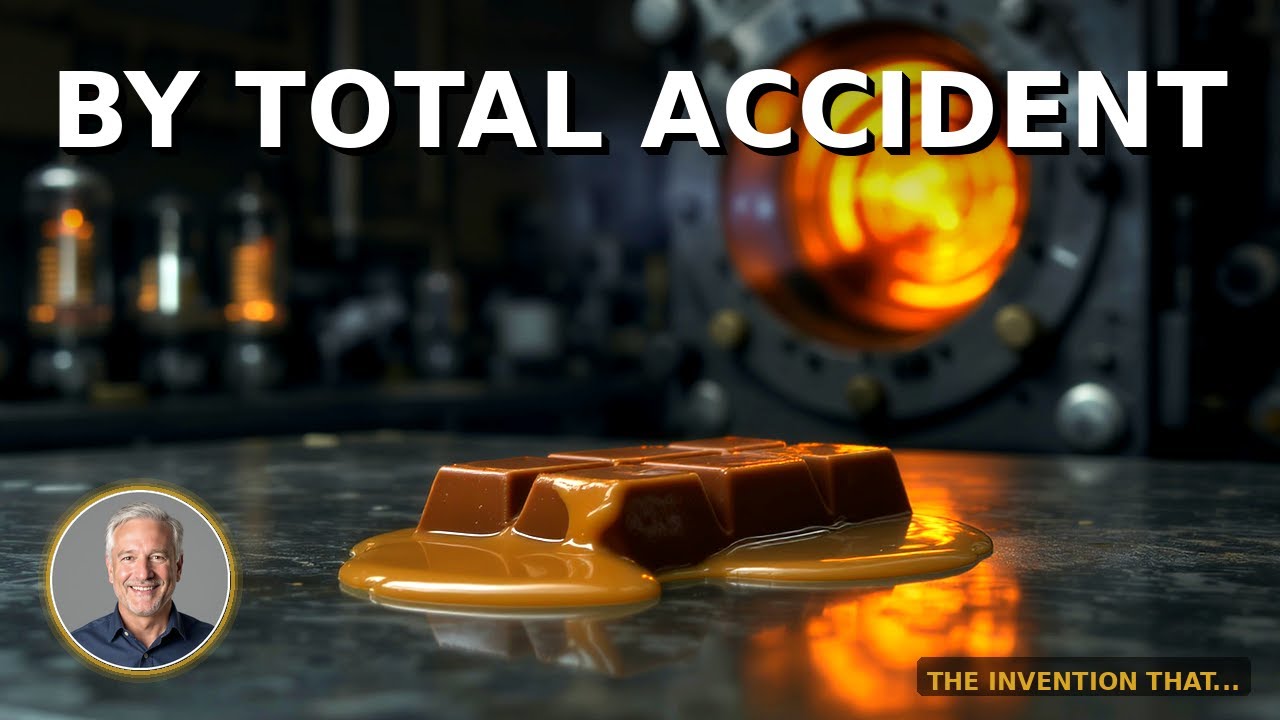
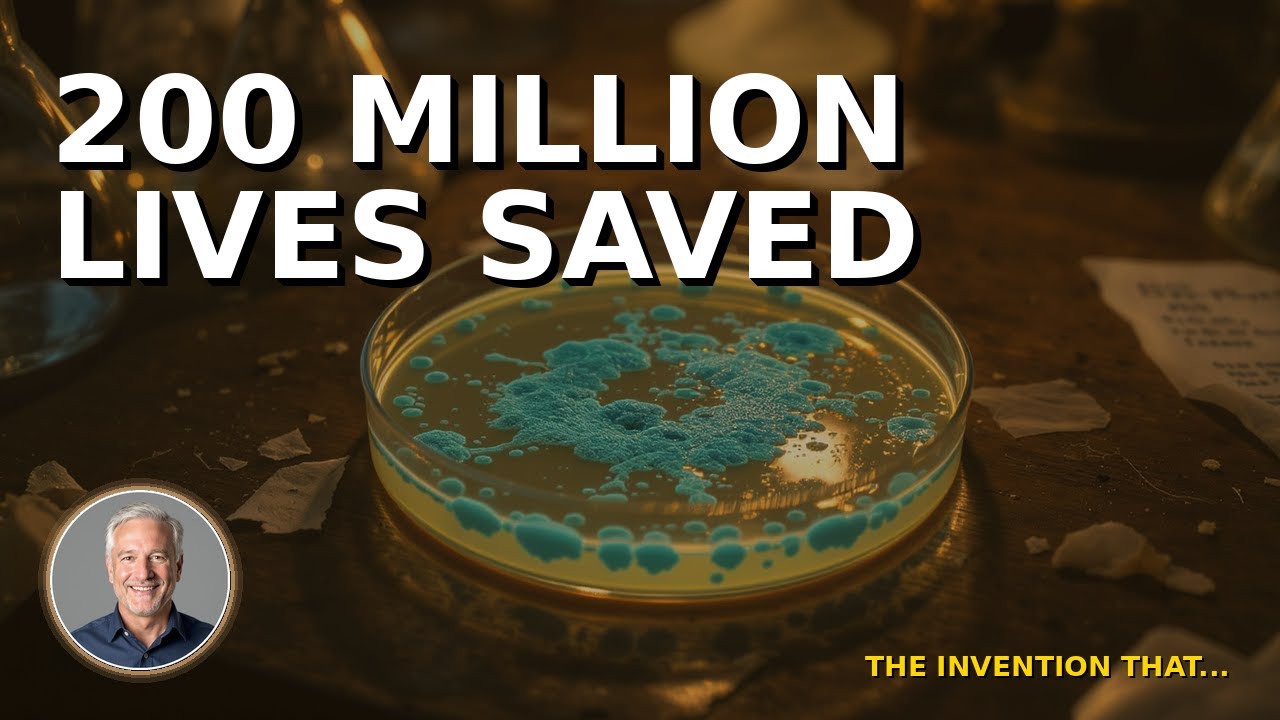
Greatbatch’s wrong resistor joins a distinguished list of accidental discoveries that revolutionized medicine and technology. Penicillin emerged from Alexander Fleming’s contaminated bacterial culture. The microwave oven resulted from Percy Spencer’s melted candy bar while working with radar equipment. Post-it Notes developed from Spencer Silver’s “failed” adhesive that wasn’t permanent enough for its intended purpose.
These serendipitous moments share common characteristics: prepared minds recognizing unexpected opportunities, willingness to abandon original plans when better possibilities emerge, and persistence in developing accidental discoveries into practical applications. Greatbatch possessed all these qualities, transforming his mistake into a medical revolution.
The pacemaker story also illustrates the importance of cross-disciplinary collaboration in medical innovation. Greatbatch’s engineering expertise combined with Chardack’s surgical knowledge proved essential for success. Neither individual could have achieved this breakthrough working in isolation.
Legacy and Continuing Impact
Wilson Greatbatch continued inventing throughout his career, holding over 325 patents and founding multiple medical device companies. He developed improved battery technologies specifically for implantable devices and contributed to numerous other medical innovations. His work earned him induction into the National Inventors Hall of Fame and recognition as one of the most influential engineers of the 20th century.
The medical device industry that emerged from his accidental discovery now employs hundreds of thousands of people worldwide and generates tens of billions in annual revenue. Companies like Medtronic, Boston Scientific, and Abbott have built substantial portions of their businesses around cardiac rhythm management technologies descended from that first garage-built prototype.
More importantly, the three million people currently living with pacemakers represent just the visible impact of Greatbatch’s accident. Each of these individuals has family members, friends, and colleagues whose lives have been enriched by their continued presence. The ripple effects of that wrong resistor continue expanding, touching millions of additional lives in ways that can never be fully quantified.
Modern Relevance and Future Directions
Today’s medical device industry continues building on the foundation established by Greatbatch’s accidental discovery. Leadless pacemakers, implanted directly into the heart without requiring surgical leads, represent the latest evolution in the technology. Biological pacemakers, using gene therapy to create natural pacemaker cells within the heart, may eventually replace electronic devices entirely.
The story also resonates in our current era of rapid technological development. As artificial intelligence, biotechnology, and nanotechnology converge, the potential for accidental breakthroughs remains significant. The key lessons from 1958—maintaining curiosity, recognizing unexpected opportunities, and having the courage to pursue unconventional paths—remain as relevant today as they were in Greatbatch’s Buffalo workshop.
The wrong resistor that changed cardiac medicine forever reminds us that innovation often emerges from the intersection of preparation and accident. In a world increasingly focused on planned research and development, there’s still room for serendipity to save millions of lives with a single, fortuitous mistake.