The Rise and Fall of MySpace: How Rupert Murdoch Killed America’s First Social Media Giant
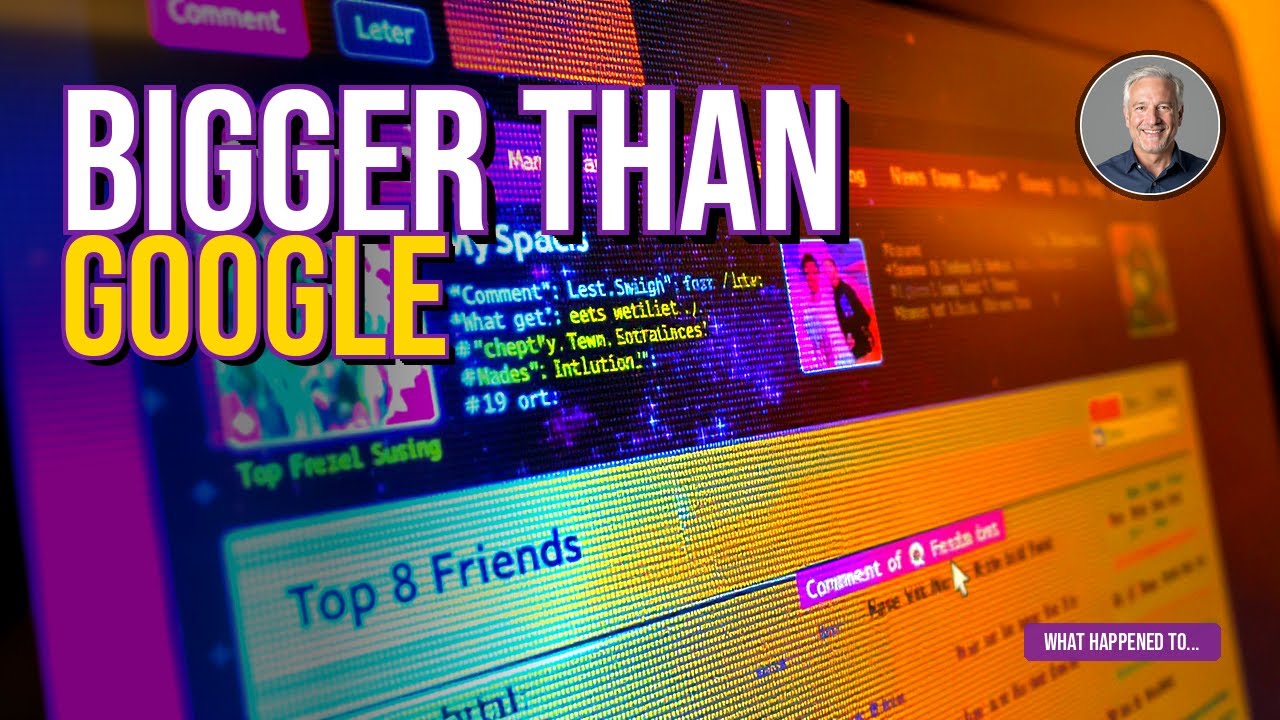
In the summer of 2006, if you wanted to understand American youth culture, you didn’t look to television, magazines, or radio. You looked to MySpace. The Beverly Hills-based social networking site had become something unprecedented in internet history: a platform that was simultaneously the most visited website in America and the beating heart of digital culture itself. With over 100 million users customizing their profiles with glittering GIFs, auto-playing music, and carefully curated “Top 8” friends lists, MySpace wasn’t just bigger than Google—it was redefining how an entire generation communicated, discovered music, and expressed identity online.
Yet within five years, this digital empire would collapse so completely that media mogul Rupert Murdoch would sell MySpace for $35 million—a staggering 94% loss from his $580 million acquisition. The conventional wisdom blames Mark Zuckerberg and Facebook’s cleaner interface for MySpace’s demise. But the real story reveals a more troubling truth about corporate greed and the fragility of internet culture: the man who killed MySpace was Rupert Murdoch himself.
The Unlikely Origins of America’s Social Media Pioneer
MySpace emerged in 2003 from the creative collision between Tom Anderson, a film school graduate with a love for technology, and Chris DeWolfe, a business-minded entrepreneur who understood the potential of online communities. Working out of a cramped office space in Beverly Hills, the duo initially conceived MySpace as a response to the growing popularity of Friendster, but with a crucial difference: where other platforms restricted user customization, MySpace embraced chaos.
This decision would prove revolutionary. By allowing users to modify their profiles with custom HTML and CSS, MySpace accidentally created the first truly democratic space for digital self-expression. Teenagers could make their profiles pulse with neon colors, embed their favorite songs, and craft elaborate personal brands that reflected their real personalities rather than sanitized corporate versions.
The timing was perfect. In 2003, broadband internet was becoming mainstream, digital cameras were getting cheaper, and a generation of young Americans was hungry for alternatives to traditional media gatekeepers. MySpace offered something that had never existed before: a platform where unknown bands could build massive followings, where creative individuals could develop personal brands, and where social connections could transcend geographic boundaries.
The Music Connection That Changed Everything
What separated MySpace from its competitors wasn’t just customization—it was music. Anderson and DeWolfe made a prescient decision to court musicians actively, offering them free tools to upload songs, connect with fans, and promote upcoming shows. By 2005, MySpace had become the de facto launching pad for emerging artists, with bands like Arctic Monkeys and Panic! At The Disco using the platform to build massive followings before signing major record deals.
This music-centric strategy created a virtuous cycle. Musicians brought their fans to MySpace, fans discovered new artists through the platform’s interconnected web of profiles, and the constant stream of new music gave users compelling reasons to return daily. Unlike Facebook’s later focus on real-name networking among existing acquaintances, MySpace became a place for discovery, creativity, and cultural exploration.
The numbers reflected this cultural significance. By early 2006, MySpace was attracting over 50 million unique visitors monthly, with users spending an average of 230 minutes per visit. For comparison, Google users spent about 30 minutes per visit during the same period. MySpace had achieved something extraordinary: it had become America’s primary entertainment destination.
Enter the Media Mogul
Rupert Murdoch, chairman of News Corporation, built his empire by recognizing valuable media properties before his competitors. When he examined MySpace’s meteoric growth in 2005, he saw an opportunity to extend his media influence into the digital realm. The $580 million acquisition in July 2005 seemed logical: News Corp would provide financial resources and business expertise, while MySpace would maintain its creative independence and user-first culture.
The deal initially appeared brilliant for both parties. MySpace gained access to News Corp’s vast promotional network, including cross-promotion on Fox television shows and integration with other Murdoch properties. For News Corp, the acquisition provided entry into the rapidly expanding social media market and access to the coveted 18-34 demographic that advertisers desperately wanted to reach.
However, the philosophical differences between MySpace’s creative culture and News Corp’s profit-driven approach would soon become irreconcilable. Where Anderson and DeWolfe had prioritized user experience and organic growth, Murdoch’s executives saw untapped revenue potential in every page view.
The Advertising Avalanche
The transformation began subtly in late 2005 but accelerated dramatically throughout 2006. News Corp executives, under pressure to justify their massive investment, began implementing aggressive monetization strategies that fundamentally altered the MySpace user experience. Banner ads multiplied across profile pages, auto-playing video advertisements interrupted music streaming, and pop-up windows became increasingly common.
The most damaging change was the implementation of what internal documents later revealed was called “maximum ad density optimization.” This corporate strategy prioritized immediate advertising revenue over long-term user satisfaction, cramming multiple ad units onto every page regardless of how they affected site performance or user experience.
By late 2006, the average MySpace page loaded with 12-15 separate advertising elements, causing significant slowdowns on the dial-up connections that many users still relied upon. The platform that had once felt like a creative playground began resembling a digital billboard, with user-generated content competing for attention against flashing advertisements and sponsored content.
The Facebook Factor and User Migration
While MySpace struggled under the weight of excessive advertising, a Harvard sophomore named Mark Zuckerberg was building a social network with radically different principles. Facebook, launched in 2004, initially restricted membership to college students and emphasized clean design, fast loading times, and real-name networking among existing acquaintances.
The contrast became stark in 2006 when Facebook opened membership to the general public. Where MySpace pages had become cluttered with advertisements and customizations that often broke on different browsers, Facebook offered a consistent, fast-loading experience that worked reliably across different devices and connection speeds.
The migration began slowly but accelerated rapidly. College students, who had formed MySpace’s most engaged user base, began spending more time on Facebook’s cleaner interface. By 2007, Facebook was adding users at twice MySpace’s rate, and usage statistics revealed that Facebook users were spending increasingly more time on the platform than MySpace users.
Critically, Facebook’s emphasis on real-name connections and curated sharing began attracting older demographics that had never joined MySpace. Parents, professionals, and extended family members found Facebook’s more formal atmosphere preferable to MySpace’s youth-oriented culture. This demographic expansion gave Facebook a sustainable growth advantage that MySpace, with its music-focused positioning, couldn’t match.
The Redesign Disasters
Recognizing the threat posed by Facebook’s growth, News Corp executives commissioned a series of redesigns intended to modernize MySpace and win back departing users. However, these efforts consistently ignored the creative customization features that had originally made MySpace distinctive.
The most disastrous redesign launched in October 2010, removing many of the HTML customization options that musicians and creative users relied upon. The new interface, clearly modeled after Facebook’s layout, eliminated the chaotic creativity that had defined MySpace culture in favor of standardized profile templates that looked nearly identical across users.
The backlash was immediate and severe. Musicians who had built careers through MySpace’s platform organized boycotts, longtime users deleted their accounts in protest, and technology blogs documented the exodus in real-time. Within six months of the redesign, MySpace had lost over 50% of its remaining active users, effectively ending its relevance as a mainstream social media platform.
The Final Sale and Justin Timberlake’s Revival Attempt
By 2011, MySpace’s decline had become irreversible. Monthly unique visitors had fallen from a peak of over 115 million to fewer than 30 million, and advertising revenue had collapsed as brands shifted their social media budgets to Facebook and emerging platforms like Twitter. In June 2011, News Corp sold MySpace to Specific Media for $35 million—a 94% loss from Murdoch’s original investment.
The acquisition included an unusual celebrity endorsement: Justin Timberlake purchased a minority stake and became the public face of MySpace’s attempted revival. Timberlake’s involvement generated significant media attention, but the fundamental problems that had driven users away—slow loading times, intrusive advertising, and the loss of creative customization—remained largely unaddressed.
Despite multiple redesigns and rebranding attempts throughout 2012 and 2013, MySpace never regained meaningful market share. The platform that had once defined social media culture became a cautionary tale about corporate mismanagement and the importance of maintaining user trust in digital environments.
Lessons for the Modern Internet
MySpace’s rise and fall offers crucial insights into the dynamics of internet culture and corporate stewardship of digital platforms. The story demonstrates how quickly dominant online properties can collapse when parent companies prioritize short-term revenue over user experience and community values.
Perhaps most significantly, MySpace’s demise illustrates the dangers of treating internet platforms purely as advertising vehicles rather than genuine communities. The excessive monetization that Murdoch’s News Corp implemented not only drove users away but also destroyed the creative ecosystem that had made MySpace valuable in the first place.
These lessons remain relevant as contemporary social media platforms face similar pressures to maximize advertising revenue while maintaining user satisfaction. The ongoing debates about platform governance, content creator compensation, and user privacy rights echo the fundamental tensions that ultimately killed MySpace.
The MySpace story also reveals how cultural authenticity and corporate management often prove incompatible in digital environments. The platform’s original success stemmed from its embrace of user creativity and subcultural expression—qualities that proved difficult to maintain under corporate oversight focused on mainstream appeal and advertising-friendly content.
Today, as new social media platforms emerge and existing ones face increasing scrutiny, MySpace’s cautionary tale serves as a reminder that internet success requires more than just user numbers and advertising revenue. It requires understanding that digital communities, like physical ones, depend on trust, authenticity, and respect for the values that bring people together in the first place.
The man who killed MySpace wasn’t a brilliant competitor with a better product. It was a media mogul who failed to understand that some things—creativity, community, and culture—cannot be optimized purely for profit.